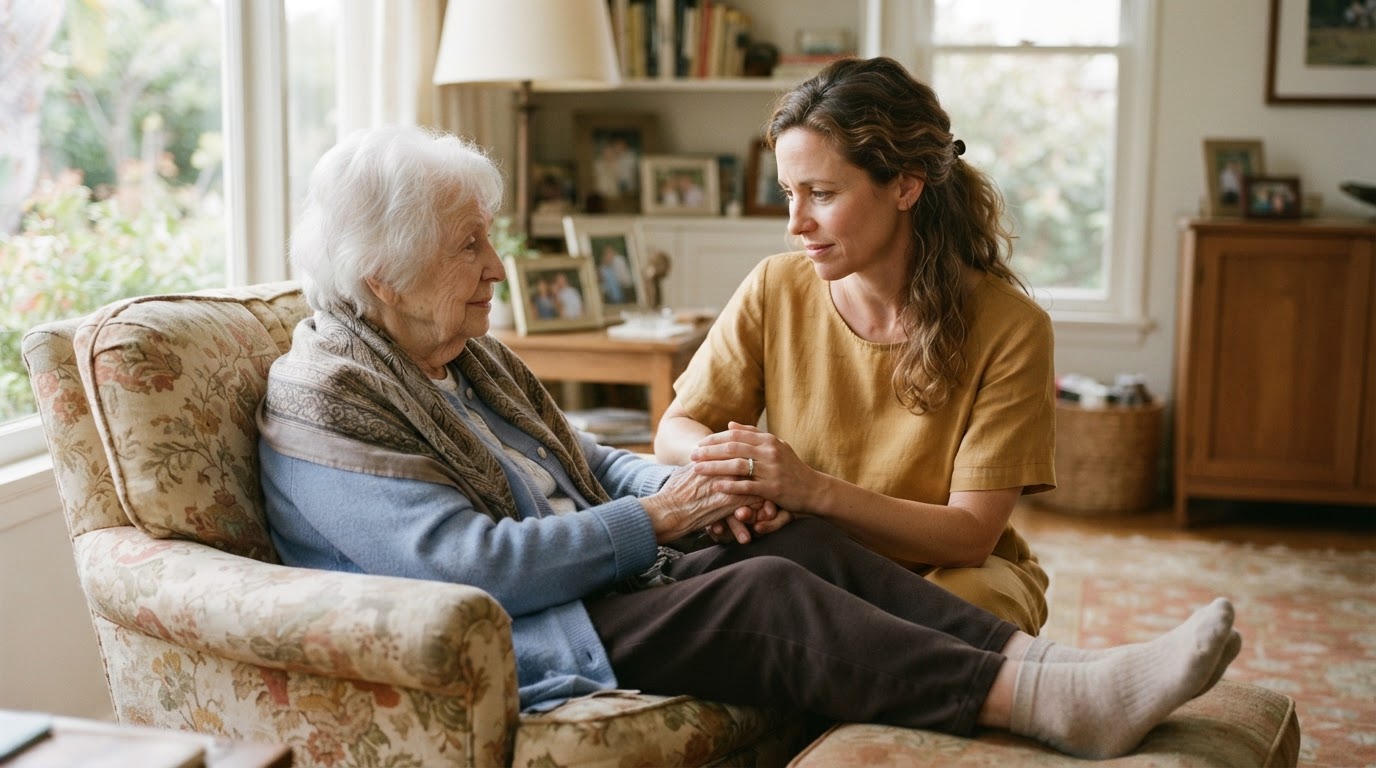
San Diego Nursing Home Abuse Lawyers
San Diego Nursing Home Abuse Lawyers Fighting for Vulnerable Residents
When a loved one suffers unexplained injuries, worsening health, neglect, or an unexpected death inside a nursing home or assisted living facility, your family deserves answers. We help San Diego families figure out what happened and what options they may have.
Confidential. No obligation. Speaking with us does not create an attorney-client relationship.
You noticed something was wrong
You don't need to know exactly what happened before speaking with someone
Suspected nursing home abuse often begins with something that simply doesn't make sense. A new wound. A fall no one can explain. A sudden decline. Families come to us with questions long before they have answers, and that is exactly when a conversation can help.
If any of the following sound familiar, it may be worth a closer look:
- A new pressure wound that staff can't explain
- An unexplained fall or fracture
- Sudden weight loss or signs of dehydration
- Bruising, abrasions, or grip marks
- A serious infection or recurring infections
- Medication that looks wrong or is missing
- Repeated hospitalizations
- A sudden, unexplained decline in health
- Wandering or elopement from the facility
- An unexpected death
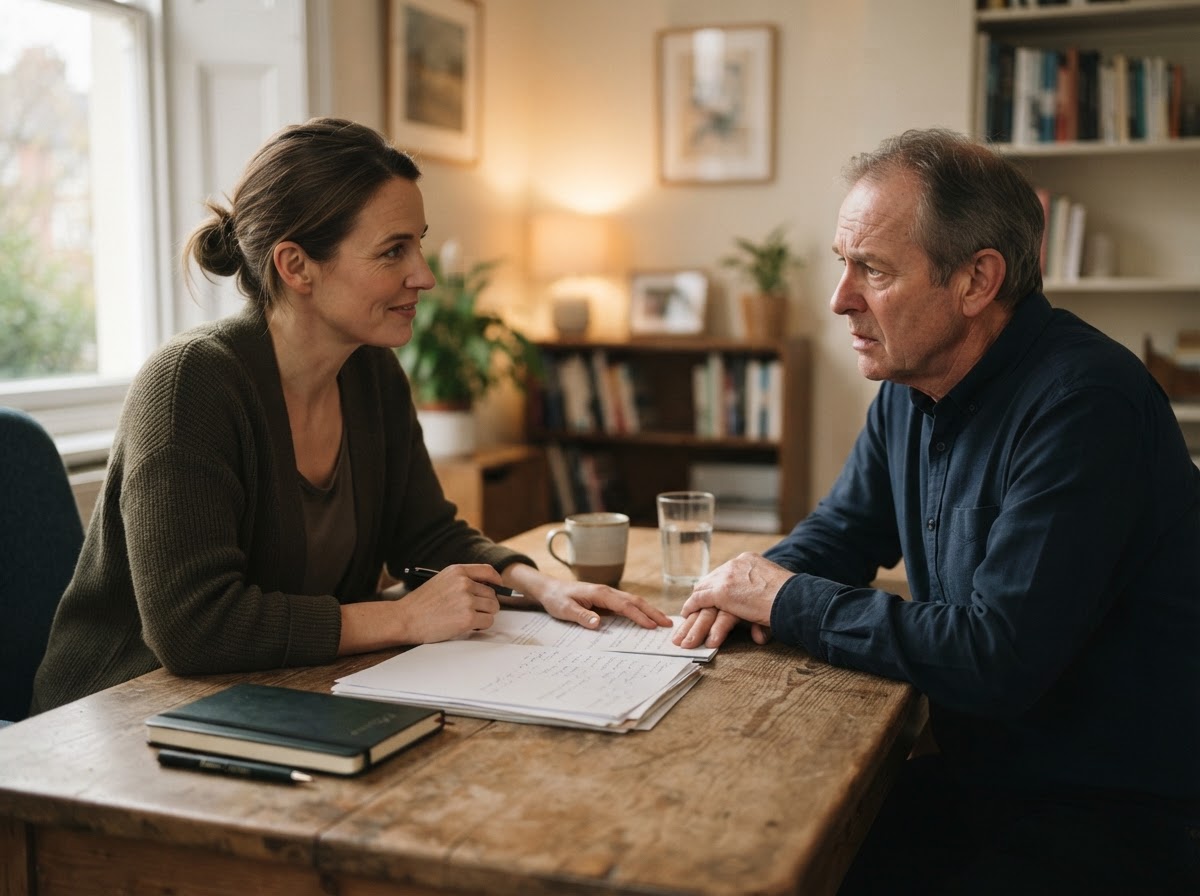
What we look into
Nursing Home Abuse and Neglect Cases We Handle
These are the five categories we are most often asked about. Each links to a detailed page explaining the warning signs, how these cases are investigated, and what families can do.
Nursing Home Neglect
When basic care, supervision, or medical needs go unmet.
Learn moreBedsores & Pressure Ulcers
Pressure wounds that develop or worsen without proper prevention.
Learn moreFalls & Fractures
Hip fractures, head injuries, and repeat falls in care facilities.
Learn moreMedication Errors
Wrong doses, missed medications, and dangerous overmedication.
Learn moreWrongful Death
Unexpected deaths that may warrant a closer look.
Learn moreOther situations we may review:
Understanding neglect
What Does Nursing Home Neglect Look Like?
There is a difference between intentional abuse and neglect. Neglect is usually about what didn't happen. A resident who wasn't repositioned. A call light that went unanswered. A care plan that wasn't followed. Over time, those gaps can lead to serious injury.
Serious injury can result from many forms of inadequate care. Any one of these may be a warning sign, though none proves neglect on its own.
- Inadequate staffing
- Inadequate supervision
- Failure to follow care plans
- Poor communication between staff
- Failure to reposition immobile residents
- Delayed medical attention
- Medication mistakes
- Unsafe transfers
- Inadequate fall precautions
- Poor nutrition or hydration
Warning signs
Signs Your Loved One May Be Experiencing Abuse or Neglect
These signs don't prove mistreatment by themselves, but together they can warrant further investigation. Trust what you're seeing.
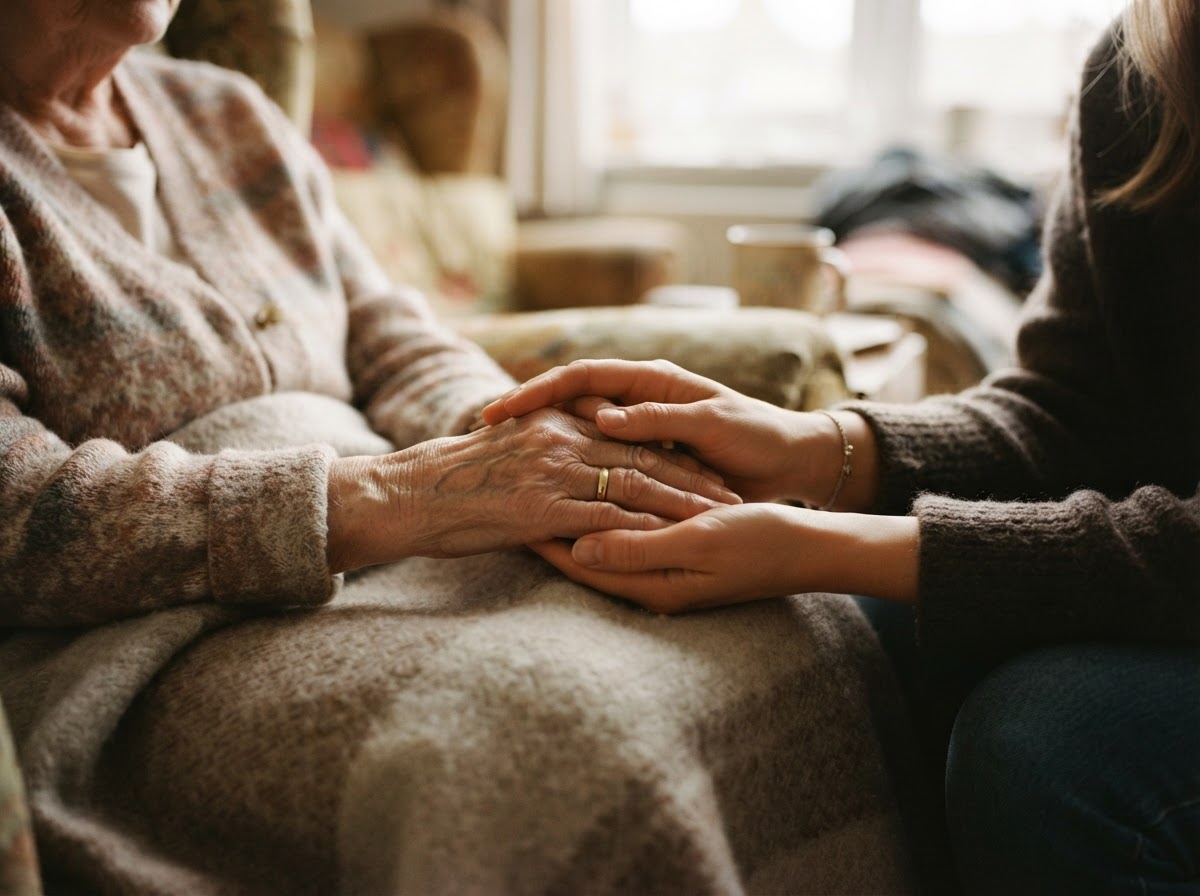
Why investigation matters
Why These Cases Require a Thorough Investigation
The visible injury often tells only part of the story. A pressure wound, a fall, or a sudden decline may have a documented chain of events behind it, or it may not. Understanding what happened usually means looking at the records created during your loved one's care.
Depending on the case, potentially relevant evidence may include:
- Medical charts and nursing notes
- Care plans
- Medication administration records
- Incident reports
- Staffing records
- Facility policies
- Photographs of injuries
- Witness accounts
- Hospital records
- Inspection or regulatory history
- Communications with family members
Not every record is always obtainable, and access can depend on the circumstances. We can discuss what may be available in your situation.
Serving Southern California
Helping Families Facing Nursing Home Abuse in San Diego and Across Southern California
San Diego is home to a large number of skilled nursing facilities, assisted living communities, and long-term care providers. When something goes wrong inside one of them, the family affected is often right here in our community.
We help families throughout San Diego County and the surrounding region, including La Jolla, Chula Vista, El Cajon, La Mesa, National City, Coronado, Poway, Carlsbad, Encinitas, Oceanside, and Escondido. Where appropriate, we also assist California families outside the immediate area.

Practical guidance
What to Do If You Suspect Nursing Home Abuse
These are general steps, not legal advice. Your situation may call for different actions depending on the circumstances.
- 1
Address immediate medical or safety emergencies first. If your loved one is in danger, call 911.
- 2
Document visible injuries where appropriate, including photographs and notes on when you first noticed them.
- 3
Write down dates, names of staff involved, and changes you observe over time.
- 4
Preserve relevant communications, including texts, emails, and written notices from the facility.
- 5
Ask direct questions about unexplained injuries or changes in condition, and note the responses.
- 6
Consider speaking with an attorney about preserving evidence and evaluating what happened.
How it works
How a Nursing Home Abuse Claim May Work
Not every inquiry becomes a lawsuit. These steps reflect how we approach a review, from your first conversation to a decision about next steps.
Tell Us What Happened
You share what you've noticed, in your own words. No legal language required.
Review the Circumstances
We listen carefully and consider whether what you describe may warrant a closer look.
Investigate the Care Provided
Where appropriate, we review records and details to understand the care your loved one received.
Identify Potentially Responsible Parties
We work to identify who may bear responsibility, from individual staff to the facility itself.
Pursue Accountability When Appropriate
If the circumstances support a claim, we explain your options and pursue accountability.
Potential recovery
What Compensation May Be Available
Every case is different, and no outcome can be guaranteed. But depending on the circumstances and applicable California law, damages in a successful claim may potentially relate to matters such as those listed here.
We do not promise specific results or dollar amounts. Our role is to help you understand what may be recoverable based on the facts of your situation.
- Medical expenses
- Pain and suffering
- Additional care needs
- Losses resulting from serious injury
- Wrongful death damages
- Other legally recoverable damages
Our approach
Why Families Turn to Us
We focus on how we work, not on claims we can't back up. These are the principles that guide every review we take on.
Focused Attention on Nursing Home Cases
We concentrate on the specific issues that arise in long-term care and skilled nursing facilities.
Thorough Investigation
We look beyond the surface injury to understand what the records may show about the care provided.
Clear Communication With Families
We explain what we're seeing and what it may mean, in plain language, throughout the process.
Compassionate, Respectful Guidance
We understand this is your family. We treat every conversation with the care it deserves.
Willingness to Examine Complex Medical Evidence
Nursing home cases often turn on medical detail. We are prepared to dig into that evidence.
No-Pressure Initial Case Review
Speaking with us costs nothing and creates no obligation. You decide what comes next.
Fee arrangement placeholder: Information about contingency fees and cost arrangements will be added here once actual firm terms are confirmed. Speaking with us is free and creates no obligation.
Questions families ask
Frequently Asked Questions
What qualifies as nursing home abuse in California?+
What is the difference between nursing home abuse and nursing home neglect?+
How do I know whether a pressure sore was caused by neglect?+
Can a nursing home be responsible for a resident's fall?+
What should I do if I suspect nursing home abuse in San Diego?+
Can I bring a claim if my loved one has dementia?+
Who can be held responsible for nursing home neglect?+
What if my loved one died after suffering nursing home neglect?+
How long do I have to bring a nursing home abuse claim in California?+
Do I need medical records before contacting a nursing home abuse lawyer?+
You deserve to know why
Something Happened to Your Loved One. You Deserve to Know Why.
If an injury, decline, or death in a San Diego nursing home doesn't make sense, tell us what happened. A conversation can help determine whether the circumstances deserve a closer look.
Confidential. No obligation. Speaking with us does not create an attorney-client relationship.